

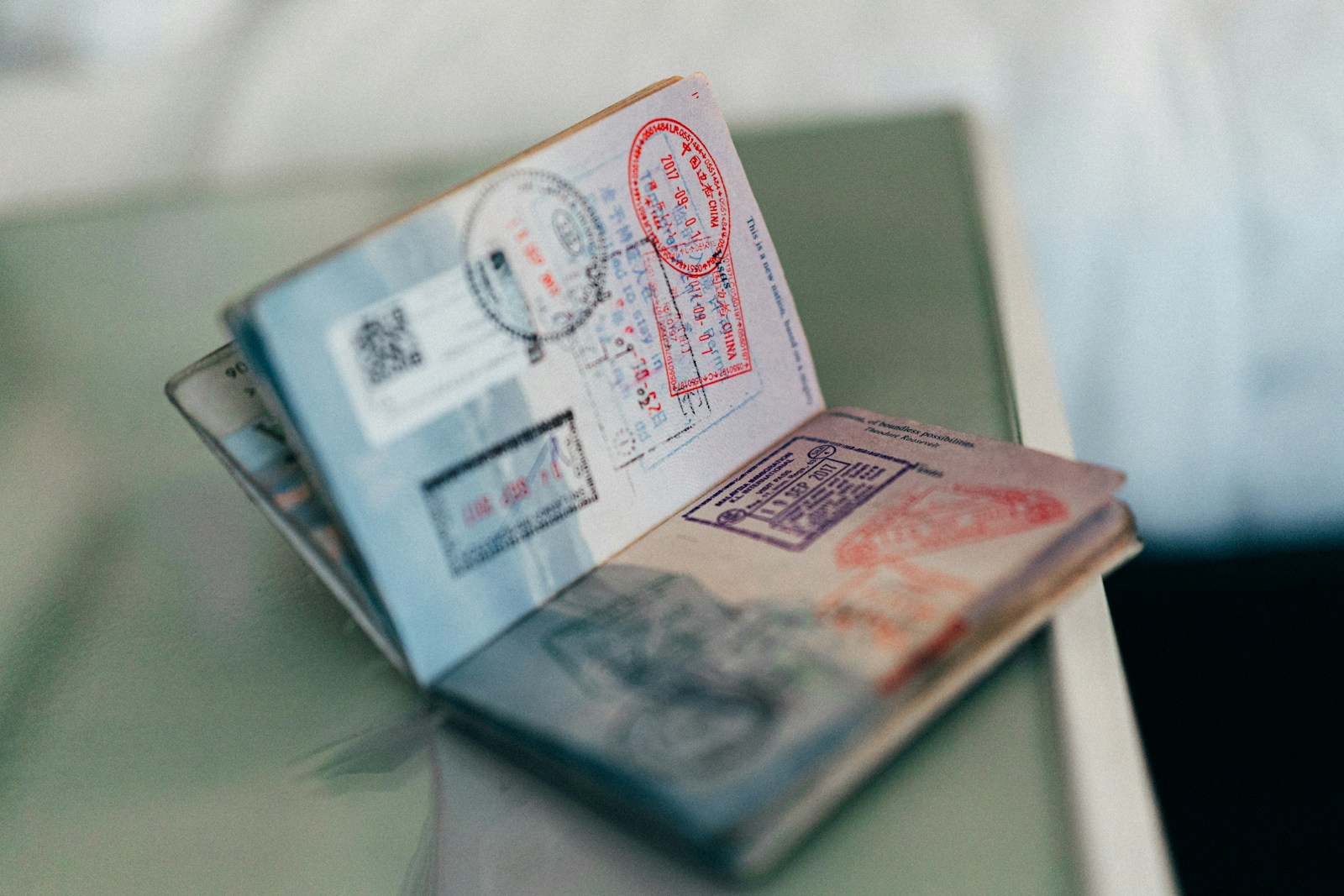
China currently does not issue a standalone category titled “Medical
Visa.” Foreign citizens seeking clinical care in China must select an
entry category based on three primary factors: anticipated
treatment duration, patient nationality, and
the potential necessity of extended inpatient
rehabilitation.
Choosing the proper visa pathway before booking flights protects you
from immigration penalties, unexpected visa runs, and bureaucratic
interruptions during clinical care.
This guide outlines your primary visa pathways, provides a clear
decision tree, details essential hospital documentation, and explains
how an experienced medical facilitator supports your application.
The Three
Primary Entry Pathways for Medical Care
Which Visa Pathway Fits You?
- Visa-Free L-Visa S2-Visa
- (Up to 30 Days) (Tourist Visa) (Private Stay)
- • Health checks • General trips • Inpatient
- • Routine dental • Non-visa-free surgeries
- • Consultations nationalities • Oncology/PT
- • Day surgeries • Fixed 30-60d • Stays 30-90d
1. 30-Day Visa-Free
Exemption (Stays ≤ 30 Days)
Citizens of over 50 designated countries holding ordinary passports
can enter China without applying to an embassy for stays up to 30 days.
– Best suited for: Outpatient consultations, dental
procedures, day-surgery eye interventions, and executive check-ups. –
Key limitation: Cannot be renewed or extended except
under severe emergency medical conditions. Read our Complete
30-Day Visa-Free Policy Guide.
2. L-Visa (Standard Tourist
Visa)
If your country is not included on the visa-free roster, or if you
need fixed 30- to 60-day single/double entry flexibility for outpatient
care, the L-visa remains a reliable choice. – Application
strategy: Submit standard tourism travel itineraries, or attach
an official hospital appointment notification confirming outpatient
dates.
3. S2-Visa
(Short-Term Private Affairs / Medical Treatment)
The S2-visa is the primary category utilized by
international patients requiring stays exceeding 30 to 90 days for major
inpatient care, cancer regimens, or post-surgical recovery. –
Core requirement: An official stamped Medical
Invitation Letter issued by a licensed tertiary hospital in China
stating your diagnosis, estimated treatment duration, and planned
admission date. – Key benefit: Provides legal
immigration standing explicitly tied to medical management and can be
renewed locally through the Exit-Entry Administration if clinical care
requires an extension.
Visa Selection Decision Tree
Use this step-by-step logic to determine your optimal entry
route:
Step
1: What is your estimated total treatment and recovery window?
- Under 30 days with a clear buffer: Proceed to Step
2. - Likely or guaranteed to exceed 30 days: (e.g.,
major orthopedic reconstruction, open cardiac surgery, proton therapy
cycles, inpatient recovery).
➔ Apply for an S2-Visa supported by an official
hospital invitation letter.
Step
2: Is your nationality exempt under China’s 30-day visa-free
policy?
- Yes: You may enter under the 30-Day Visa
Exemption. Ensure your clinical timeline and travel bookings
remain within this boundary. - No: Apply for an L-Visa (or
standard consular visa) at your regional Chinese Visa Application
Service Center (CVASC), accompanied by your hospital booking
confirmation.
Step
3: What is the probability that your clinical plan changes in
person?
- Plan is straightforward and fixed: Your chosen
short-stay route is viable. - Plan is contingent on in-person diagnostic
findings: If an initial consultation may reveal the need for
urgent surgery, apply for an S2-visa beforehand.
Securing the appropriate visa before departure is significantly safer
than attempting an in-country conversion.
Essential Hospital
Documentation Checklist
Consular processing and hospital admissions require specific
documentation from both parties:
| Documents Provided by the Patient | Documents Issued by the Chinese Hospital |
|---|---|
| Valid passport info page copy (minimum 6 months validity) | Formal Hospital Appointment Confirmation letter |
| Up-to-date medical reports, physician notes, discharge summaries |
Official Medical Invitation Letter (for S2-visa processing) |
| Digital medical imaging (DICOM format: CT, MRI, X-rays) | Preliminary, itemized treatment outline and estimated cost schedule |
| Recent blood panels, pathology, and current medication list | Official medical extension certificate (if hospital stay must be prolonged) |
| Emergency contact details and companion passport copies | Formal discharge summary in English upon completion of treatment |
How
Cathay Medical Travel Facilitates Your Visa Process
Cathay Medical Travel is an independent medical facilitation agency
based in Guangzhou. While we cannot issue visas or guarantee consular
decisions, we handle the hospital documentation required for a smooth
application:
- Medical Case Preparation: We translate your foreign
medical records into standardized formats for Chinese chief
physicians. - Acceptance and Invitation Procurement: Once a
department head accepts your case, we coordinate with hospital foreign
affairs offices to issue official stamped appointment or invitation
letters. - Application Verification: We review hospital
documents to confirm that patient passport numbers, legal names, and
projected clinical durations align with consular guidelines. - Timeline Coordination: We align hospital admission
schedules with your local consular processing times so that your
clinical team is prepared upon arrival. - In-Country Extensions: If your treating physician
determines that post-operative recovery requires a longer stay, our
coordinators help gather the clinical certificates needed for an
Exit-Entry Administration stay extension.
Important Regulatory Caveats
- Immigration Authority Discretion: An official
hospital invitation letter strongly supports your visa petition, but
consular approval remains at the sole discretion of the Chinese Embassy
or Consulate. - Refundable Bookings: Do not purchase non-refundable
flight tickets or non-cancelable hotel bookings until your entry visa is
issued or your visa-free eligibility is verified. - Accompanying Caregivers: Family members or
caregivers must apply for corresponding visas (accompanying S2 or L).
Ensure their details are noted during initial case coordination. - 24-Hour Police Registration: All foreign arrivals
must register temporary accommodation within 24 hours of landing
(automatically completed by licensed hotels upon passport
check-in).
Frequently Asked Questions
(FAQ)
Can
I travel to China visa-free for a consultation and transition to
surgery?
If your post-operative recovery can be completed within your initial
30 days, yes. However, if surgery requires an extended stay, converting
a visa-free entry to an emergency stay permit within China requires
formal hospital applications to the Exit-Entry Administration and is
only approved for verified clinical necessity. If surgery is
anticipated, applying for an S2-visa in advance is strongly advised.
How
far in advance should I start the visa application process?
Begin 4 to 6 weeks prior to your targeted admission
date. This allows sufficient time for hospital specialists to review
your clinical records, issue official letters, and give the visa center
time to process your passport.
Can my
spouse or companion obtain an S2 caregiver visa?
Yes. When a patient requires inpatient surgical care, direct family
members can typically apply for an accompanying S2-visa by providing
proof of relationship (marriage certificate or birth certificate)
alongside the patient’s hospital invitation letter.
Select Your
Pathway and Begin Your Case Review
Whether planning a short outpatient visit or comprehensive inpatient
surgery, our team ensures your hospital documentation is handled
professionally.
- Dental
Restoration Packages - Preventative
Health Screening Packages - Ophthalmic
Surgery Services - Major
Surgery & Inpatient Programs
Ready to review your medical documents with our clinical partners? Submit your case via our
application portal for step-by-step guidance.
Request a free consultation →
 Previous Post
 Next Post
[…] right entry route for your stay. Read our guides to which visa to apply for medical treatment and China’s 30-day visa-free […]
[…] these situations, read our guide on what visa foreigners should apply for medical treatment, which explains when an L-visa or S2-visa may be more suitable and why a hospital invitation letter […]
[…] genuine value. Planning care in China? Request a free consultation → Next PostWhat Visa Should Foreigners Apply For Medical Treatment? Medical […]
[…] Visa and Travel Preparation: If you decide to proceed, the hospital’s confirmation documents are used to arrange travel and obtain the appropriate entry route. For details on entry requirements, read our guide on which visa foreigners should apply for medical treatment. […]